Postcard

- The UK has plenty of companies with enduring competitive advantages and the ability to make attractive – and sustainable – returns on capital. However, we believe many of these businesses are underpriced.
- In the aftermath of ‘Liberation Day’, we called on some of our portfolio holdings1 to find out what’s happening in the engine room of these businesses.
- We liked a lot of what we saw and, in this note, we’ll share a few observations from each visit.
Anna Farmbrough, Portfolio Manager
Ben Needham, Portfolio Manager
Fred Kerr-Smiley, Analyst
Nicole Sturrock, Analyst
Looking beyond the traditional
Despite a commonly held belief in some circles, the UK stock market is not just banks and energy. While they may dominate from a weighting perspective, looking beyond the 11 BICS2 sectors into their industry groups can unveil a treasure trove of opportunities. Industrials, for instance, contains capital goods, which is home to 45 companies, almost double the number of banks and energy stocks in the entire FTSE All-Share index.
The UK is home to plenty of leading businesses that can add value to any portfolio, particularly now. It’s just a case of knowing how to find them. On-the-ground research is a powerful tool, helping us assess whether a company’s capital allocation is fully aligned with the long-term interests of shareholders. We believe that building and sustaining strong stakeholder relationships with any parties affected by a company’s activities can help us more accurately assess its growth prospects and the general sustainability of its business model over the coming years.
Competitive strength remains intact
This was never more important than at the start of the second quarter, when President Trump’s ‘Liberation Day’ tariff announcement sent a bolt of uncertainty across global markets. We wanted to build a clear picture of how companies are experiencing business on the ground and visited several companies over the quarter. Positively, we were reminded of the competitive strength possessed by many of the businesses we own. In particular, Quality industrials have suffered from weak end markets in the last 12-24 months, but they have dominant market positions, largely provide business critical components – enabling pricing power – and are financially very secure.
These attributes should support a sharp recovery in returns on invested capital (ROIC) once end markets recover. In addition, we continue to note that many of the businesses we spent time with are trading on recession-like valuations, despite the above attributes and strong balance sheets which provide downside protection. Shortly after our visit to Spectris, the company received an >90% bid premium, which brings to life just how much opportunity there is in the market at present. We have listed our summary in alphabetical order, beginning with Croda3.
The visit to Cowick Hall reaffirmed our confidence in Croda

Source: Ninety One.
Croda: speciality chemicals
The tour of Croda’s headquarters in Yorkshire highlighted that the differentiation across its beauty care portfolio manifests either through the underlying chemistry or its proximity to customers (e.g. in helping them develop formulations and substantiate claims) or both. Where underlying chemistry differentiation is not apparent, regulatory and cost (to reformulate and repackage consumer products) hurdles to switching suppliers often exist. Furthermore, beyond multinational customers, which account for only 20% of revenues, the tendency or ability of customers to dual source is rare.
Diageo: premium drinks brands
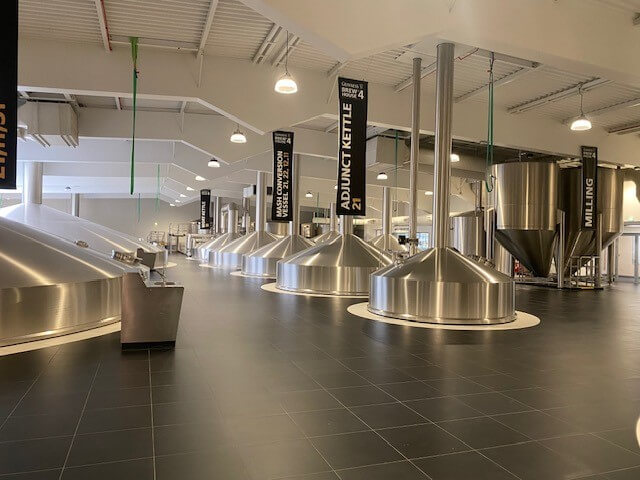
We visited the Guinness site in St James’s Gate, Dublin. The location is steeped in history, with Arthur Guinness establishing the brewery here in 1759. Today, 40 pints of Guinness are manufactured every second at the site. If you take five minutes reading this piece, 12,000 pints have been produced. Of the 40 pints per second, three are now Guinness Zero. Capacity has tripled since its 2020 launch and the plan is to double capacity again by next year. Given the sustained demand for the brand and its infancy in the US, the company is deploying c.£400m of capex to build a new brewery, which will free up capacity at St James’s Gate.
Diageo is also increasingly deploying a concentrate, capital light model outside its core markets to meet growing global demand for Guinness. Consumption levels in Nigeria, for instance, now rival Ireland’s. Diageo sends the concentrate to partners closer to the end destination who brew and distribute Guinness for them with Diageo then taking a licence fee, creating an additional revenue stream. Overall, this trip was a welcome reminder of one of the crown jewels within Diageo’s portfolio.
Diageo manufactures 40 pints of Guinness every second
Source: Ninety One.
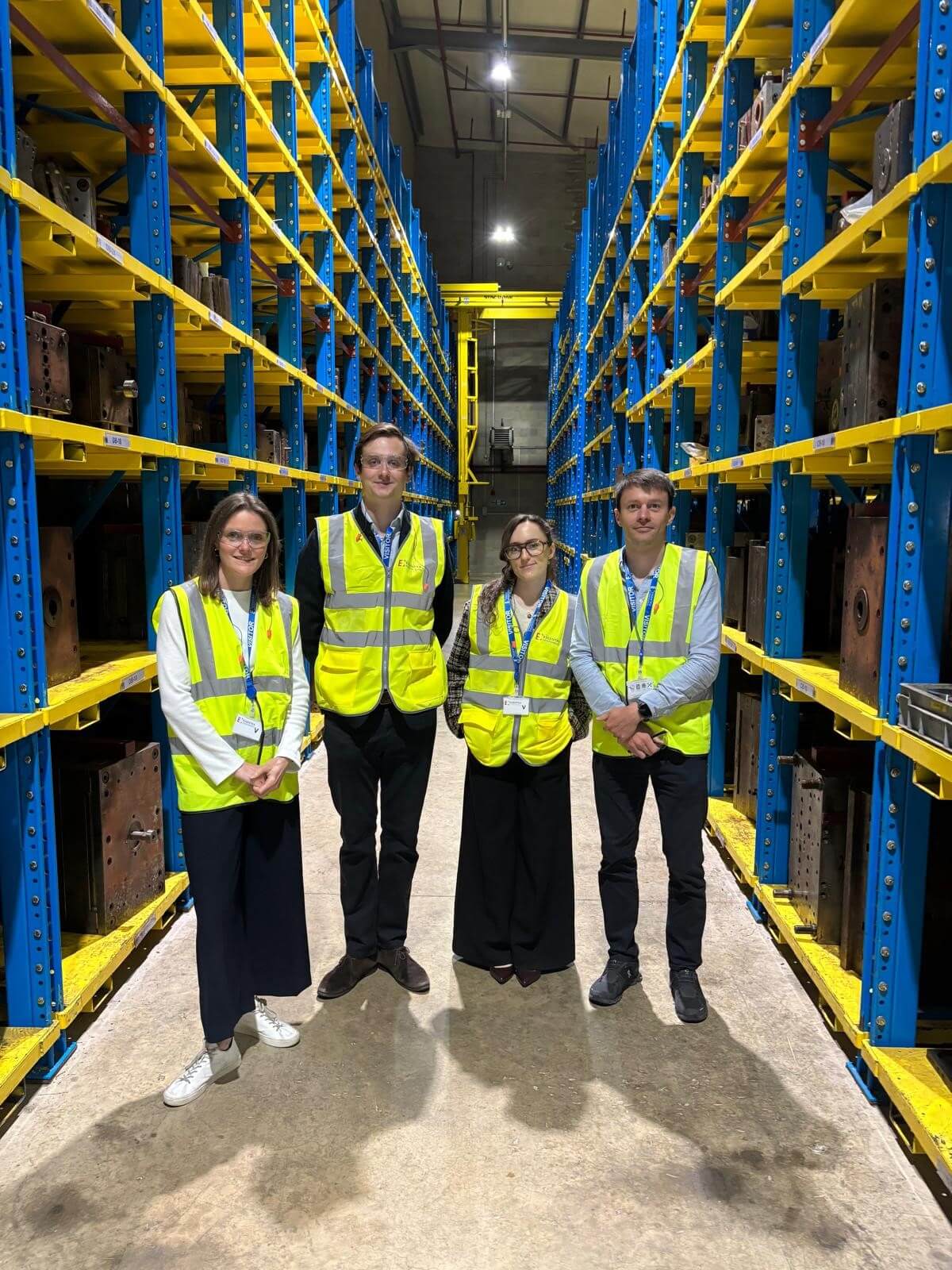
Essentra possesses inherent pricing power
Source: Ninety One.
Essentra: specialist plastic, fibre and foam products
The team’s visit to Essentra’s Kidlington site highlighted the ample spare manufacturing capacity across the group, which should be able to support significant volume recovery with little incremental cost. We also noted that the replacement cost of the company’s market-leading tool portfolio (critical moulding instruments), which affords Essentra a superior breadth of products and superior scale, would not be far off the company’s current market cap. Additionally, discussions with management underlined the businesses’ inherent pricing power that underpins a reassuringly stable gross margin.
Genus: animal genetics
Our visit to Genus’ ABS4 site in Ruthin made very clear the phenomenal value using elite specialist genetics can deliver for farmers and why there remains a long penetration runway across dairy and beef-on-dairy herds globally. With ABS often only capturing <10% of the additional profit delivered throughout the value chain, there also remains a great runway for pricing as the supply chain becomes more integrated and the pricing model evolves around this.
Consolidation of both genetics players and producers over time, as has happened in the porcine business historically, should further boost growth and profitability. We remain as excited as ever about the opportunity ahead of Genus, not least following the approval in April of their proprietary PRRS5 Resistant Pig gene edit for use in the US, a key global porcine market.
Specialist genetics can deliver for farmers

Source: Ninety One.
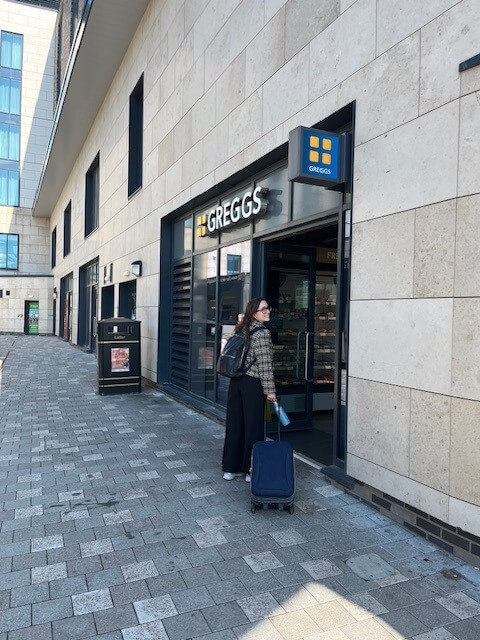
This visit reinforced Greggs’ attention to detail
Source: Ninety One.
Greggs: bakery chain
Greggs is a recent addition to the portfolio with a competitive advantage entrenched in its value offering, which gives the business control over its economics. On our trip to Gatwick, we visited the Greggs site in the arrivals terminal at Gatwick South and met the Head of Retail for the Southern region. The conversation reinforced Greggs’ attention to detail and feedback loop from site managers, which enables constant improvements to its offer. Given Greggs’ high footfall and turnover model, management are constantly looking for efficiencies, particularly at their smaller sites at transport hubs where queues can easily form and deter incremental customers. This remains an opportunity as they adapt the menu to increase speed of service and consider touchscreen ordering.
JD Wetherspoon: pub operator
Where is JD Wetherspoon’s highest turnover site? Perhaps this is one for your next pub quiz. The answer is Gatwick North Terminal (The Red Lion). This visit and meeting with senior management brought to life the extraordinary value JD Wetherspoons provides to customers throughout the UK. With drinks typically sold for a >25% discount to competition (only 10% cheaper at Gatwick given the captive audience), the business is able to attract far higher volumes than other taverns.
Indeed at Gatwick, we believe The Red Lion alone generates an astonishing £35-40m of annual sales. Such high volumes require meticulous operational efficiencies (a dedicated egg cracker employee cracks 30,000 eggs a week!), particularly as Wetherspoons delivers meals to each table in an average of seven minutes. As Wetherspoons’ cost, efficiency and price advantage becomes increasingly entrenched, the business has started franchising its offer to other operators across the country, which we now expect to be a future source of capital light growth.
Renishaw: precision measurement
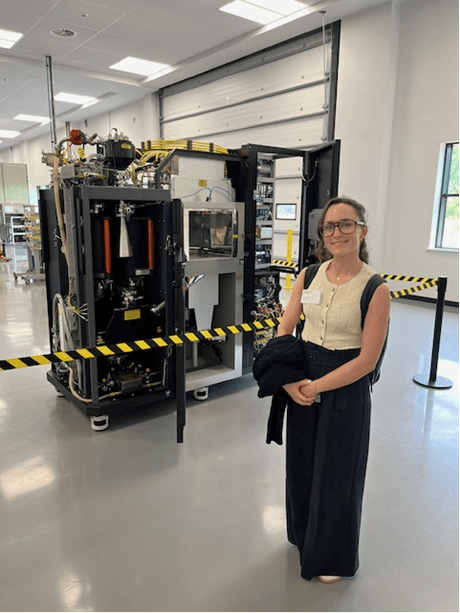
We travelled to Renishaw’s Miskin manufacturing plant in South Wales to attend its 2025 Capital Markets Day. The merits of Renishaw’s vertical integration were evident, with the company’s extensive in-house capabilities allowing it to constantly assess whether a component should be manufactured in-house or not. From the plant operator to higher levels of management, an obsession with continual improvement and related paybacks on production efficiency investments was also ubiquitous.
The focus on paybacks, combined with the ample spare capacity evident at Miskin following years of heightened investment, builds our confidence that Renishaw’s return on invested capital (ROIC) could meaningfully improve from here. Management conveyed confidence in operating margins comfortably surpassing 20% on further volume growth, while also suggesting this level might be achieved sooner than we were anticipating. Finally, a revised capital allocation framework that explicitly notes a share buyback – eminently affordable given the company’s high net cash balance – is a further indication that Renishaw is giving increased consideration to ordinary shareholders.
Renishaw’s multi-laser 3D printers can quickly create complex metal parts
Source: Ninety One.
Rotork: industrial flow control equipment
In Bath, we dug into Rotork’s channel relationships with OEMs (valve manufacturers) and EPCs6 (engineers who install the actuators) and came away with renewed conviction that that in this industry, being specified as a preferred supplier is crucial. Once specified, a company becomes difficult for a competitor to dislodge, which IMI (a valve manufacturer) confirmed when we visited them the following day.
The made-to-order side of the manufacturing process is key to understanding Rotork. Valve requirements, sizes and uses differ so configuring an actuator is a challenging, hands on process that is difficult to automate. As electric actuator sales increase in Rotork’s product mix it is gross margin accretive and provides a nice tailwind for the service business, which has grown at 14% per annum in the last three years and makes up c.25% of group sales. Management noted that most electric actuation servicing comes to Rotork as invalidated warranties and cost savings from using a cheaper third party is a very high risk strategy for a mission critical component and more often than not can only be repaired (and certainly only replaced) by Rotork.
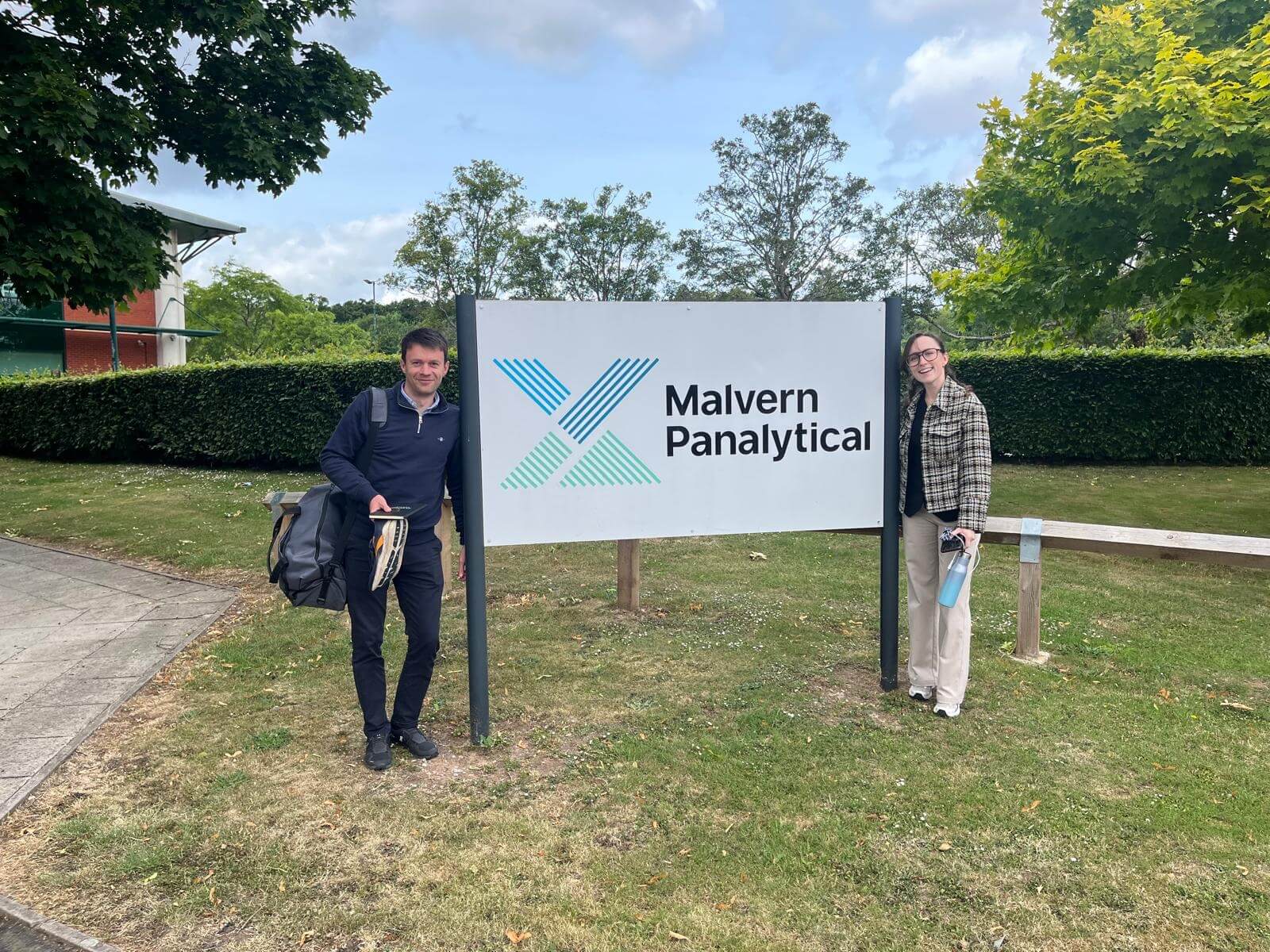
Spectris has very strong customer relationships
Source: Ninety One.
Spectris: precision measurement
Visiting Spectris’ Malvern Panalytical site reminded us of the incredibly strong and sticky positions their best-in-class particle characterisation machines hold in niche scientific markets. The strength of their proprietary software - which measures the size, shape and charge of particles – has evolved positively over time. In addition to making the machines easier to use, decreasing the labour input required and reducing human error, this increases barriers to switching, cementing customer relationships.
It was encouraging to learn of the additional capacity that could be generated within the existing site should this be required alongside the benefits from their automated warehouse system, which is new since our visit last June. Clearly, the private equity firms Advent and KKR agree that the prospects for Malvern Panalytical and Spectris’ other businesses remain highly attractive, with the firms making competing cash offers for the company at a >80% premium and >90% premium, respectively, marking the biggest M&A deal in the UK this year.
Spirax: steam and fluid technology products
On the site tour around the steam manufacturing plant at Cheltenham, Spirax reminded us about its compelling value proposition. Customers use its steam products and expertise to effectively lower the energy costs within their manufacturing systems. Spirax noted that the payback from their solutions was often just 6-12 months. In addition, 85% of sales are for values <£70k and generally fall into the operating budget of their customers, meaning they are relatively economically resilient.
Spirax helps customers lower energy costs

Source: Ninety One.
Victrex: high performance polymers
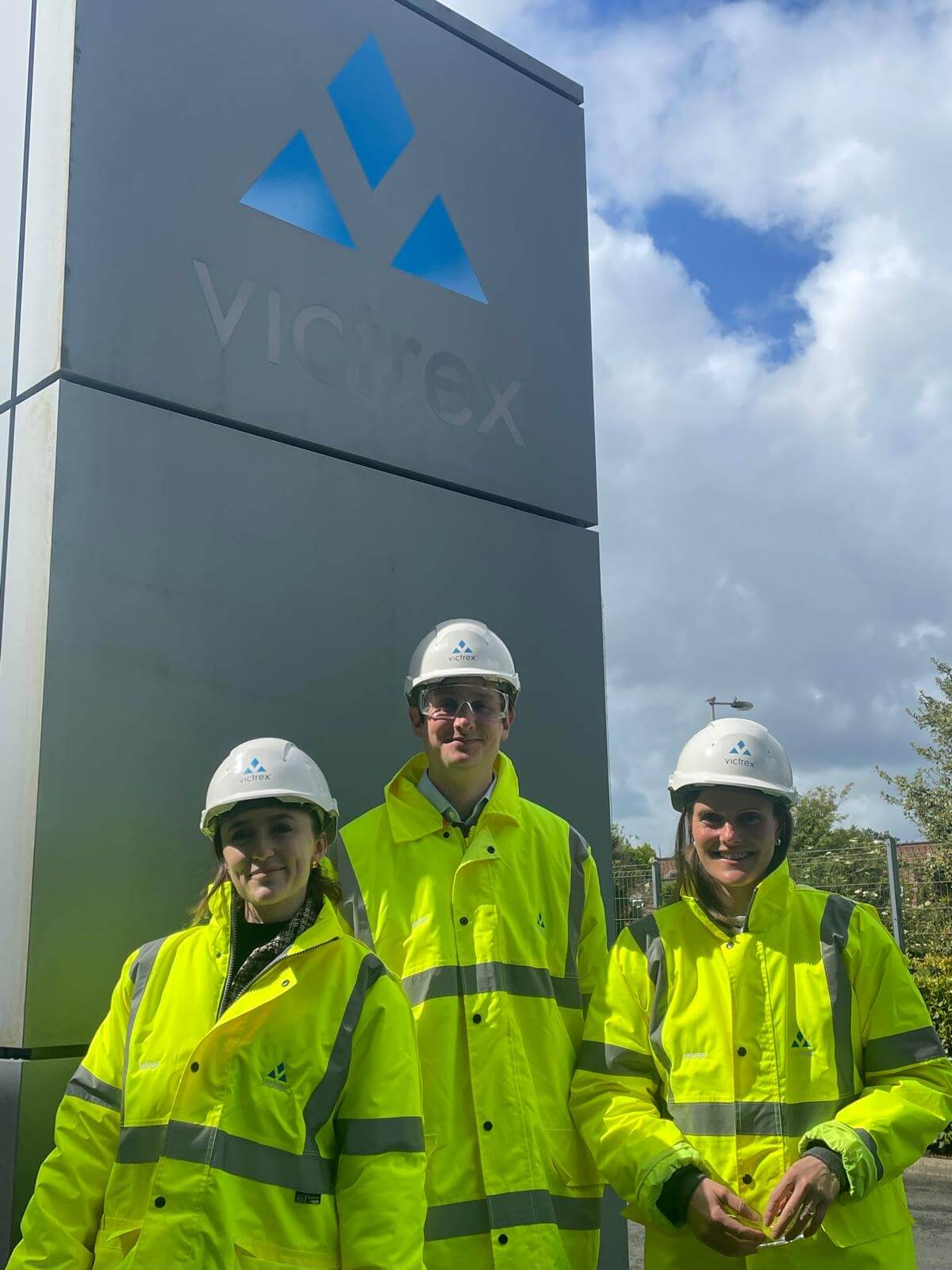
Our trip to Blackpool confirmed that Victrex remains the market leader in PolyEtherEtherKetone (PEEK), a high performance thermoplastic polymer that possesses strength, thermal stability, and chemical resistance, making it a viable alternative to lower-grade plastics and some metals. Interestingly, no new high performance polymer compound with PEEK-like capabilities has emerged over the last decade.
Victrex’s PEEK ends up in a multitude of forms and products, including 3 micron width films used in smartphones, fire and chemical retardant insulation on aircraft and carbon fibre composites used in implantable medical devices and subsea oil pipes. 50% of Victrex’s volumes are specified, or around two-thirds of gross profit. The grade and purity of Victrex’s PEEK, combined with its superior technical support team, means the company will often command a price premium in the unspecified corner of its portfolio too.
Victrex offers a cheaper alternative to many materials
Source: Ninety One.
1 The portfolio may change significantly over a short space of time.
2 Bloomberg Industry Classification System.
3 No representation is being made that any investment will or is likely to achieve profits or losses similar to those achieved in the past, or that significant losses will be avoided.
4 This is Genus’ bovine genetics business.
5 Porcine Reproductive and Respiratory Syndrome.
6 OEM: Original Equipment Manufacturer; EPC: Engineering Process Control.
This is not a buy, sell or hold recommendation for any particular security. For further information on specific portfolio names, please see the Important information section.
General risks. The value of investments, and any income generated from them, can fall as well as rise. Costs and charges will reduce the current and future value of investments. Past performance does not predict future returns. Investment objectives may not necessarily be achieved; losses may be made. Target returns are hypothetical returns and do not represent actual performance. Actual returns may differ significantly. Environmental, social or governance related risk events or factors, if they occur, could cause a negative impact on the value of investments.
Specific risks. Geographic/Sector: Investments may be primarily concentrated in specific countries, geographical regions and/or industry sectors. This may mean that the resulting value may decrease whilst portfolios more broadly invested might grow. Equity investment: The value of equities (e.g. shares) and equity related investments may vary according to company profits and future prospects as well as more general market factors. In the event of a company default (e.g. insolvency), the owners of their equity rank last in terms of any financial payment from that company. Concentrated portfolio: The portfolio invests in a relatively small number of individual holdings. This may mean wider fluctuations in value than more broadly invested portfolios.
